


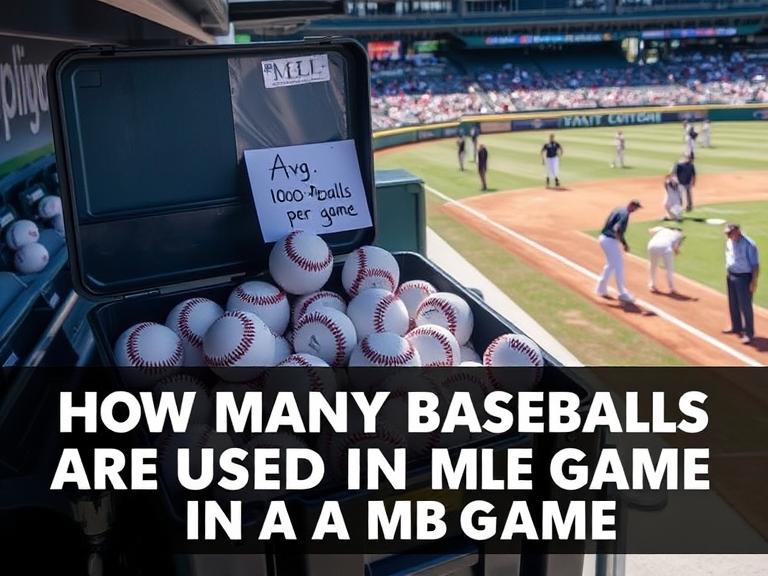
How Many Baseballs Are Used in a MLB Game: Baseball fans often wonder about the intricacies behind America’s pastime, and one frequently asked question is: how many baseballs are used in a single Major League Baseball game? The answer might surprise you. On average, MLB games consume between 84 to 120 baseballs per game, with some contests requiring even more depending on various circumstances.
Table of Contents
The Standard Baseball Supply for MLB Games
Major League Baseball has established specific protocols for ball usage during games. Each ballpark receives a fresh supply of baseballs before every game, with umpires typically preparing around 90 to 120 balls for a standard nine-inning contest. These numbers aren’t arbitrary—they’re based on decades of experience and statistical analysis of ball usage patterns.
The preparation process begins hours before the first pitch. Umpires carefully inspect each baseball, ensuring they meet MLB’s strict specifications. This includes checking the seams, leather quality, and overall construction. Any ball that doesn’t meet these standards is immediately removed from play.
Factors That Influence Baseball Consumption
Several factors determine exactly how many baseballs will be used during any given game. Weather conditions play a significant role, as rain, humidity, and temperature can affect ball quality and performance. Wet conditions often require more frequent ball changes to maintain proper grip and flight characteristics.
The style of play also impacts baseball usage. Games featuring heavy contact hitters, numerous foul balls, and aggressive base-running typically consume more baseballs than pitcher-dominated contests. Power hitters who frequently make contact outside the strike zone contribute to higher ball consumption through foul balls that either leave the playing field or become scuffed from contact with bats, dirt, or stadium surfaces.
Pitching styles significantly influence ball usage as well. Pitchers who rely on breaking balls, particularly those that hit the dirt, often require fresh baseballs more frequently. Curveballs, sliders, and knuckleballs that scrape against home plate or become embedded with dirt must be replaced to maintain competitive integrity.
The Baseball Lifecycle During Games
Understanding the journey of a baseball during an MLB game helps explain the high usage numbers. Once a ball enters play, it faces numerous scenarios that can remove it from action. Home runs obviously take balls out of play permanently, but many fans don’t realize that foul balls caught in the stands are rarely returned to play.
Balls that make contact with bats often develop scuffs, scratches, or other imperfections that can affect their aerodynamic properties. Even minor damage can alter a ball’s flight path, giving unfair advantages or disadvantages to pitchers or hitters. Consequently, umpires err on the side of caution, replacing any ball that shows signs of wear.
Ground balls that roll in dirt accumulate dust and debris, requiring cleaning or replacement. Balls that hit concrete surfaces, stadium walls, or other hard objects often develop flat spots or other deformities that make them unsuitable for continued play.
Official MLB Regulations and Standards
Major League Baseball maintains strict standards for baseballs used in official games. The official MLB baseball weighs between 5 and 5.25 ounces, with a circumference of 9 to 9.25 inches. The core consists of a cork and rubber center, wrapped in wool and covered with genuine leather.
Before each game, baseballs undergo a specific preparation process called “rubbing up.” Umpires apply a special mud—traditionally from the Delaware River—to remove the factory gloss and provide better grip for pitchers. This process ensures consistent feel and performance across all balls used during the game.
Umpires have the authority to remove any ball from play at their discretion. This includes balls that have been scuffed, discolored, or altered in any way that might affect fair play. The home team is responsible for providing all baseballs used during the game, including those used by the visiting team.
Economic Impact of Baseball Usage
The high consumption of baseballs in MLB games represents a significant expense for the league and individual teams. With official MLB baseballs costing approximately $15 to $20 each at wholesale prices, a single game can consume $1,500 to $2,400 worth of baseballs. Over a full 162-game season, teams spend tens of thousands of dollars on baseballs alone.
This expense extends beyond regular season games to include spring training, batting practice, and playoff games. Playoff games often use even more baseballs due to increased intensity, longer games, and more cautious umpiring regarding ball condition.
Historical Perspective on Baseball Usage
Baseball consumption in MLB games has increased significantly over the decades. In the early days of professional baseball, teams used far fewer balls per game, often playing entire contests with just a handful of baseballs. Economic constraints and different standards of play contributed to this conservation.
The modern era’s emphasis on competitive fairness and player safety has led to more frequent ball changes. Today’s players, umpires, and fans expect consistent playing conditions, which requires maintaining fresh, undamaged baseballs throughout the game.
Special Circumstances and Extra Usage
Certain game situations can dramatically increase baseball consumption. Extra-inning games naturally require more baseballs due to extended play. Rain delays, while pausing play, often necessitate complete ball replacement when games resume due to moisture absorption.
Cold weather games present unique challenges, as baseballs can become harder and more prone to cracking or developing surface imperfections. Night games in humid conditions may require more frequent changes due to dew accumulation affecting ball grip and flight characteristics.
Playoff games and special events often see increased baseball usage due to heightened scrutiny and more conservative replacement policies. Umpires in high-stakes games tend to replace balls more frequently to ensure optimal playing conditions.
The Role of Technology and Innovation
Modern technology has influenced baseball usage patterns in MLB games. Advanced tracking systems can now monitor ball condition and performance in real-time, providing data to support replacement decisions. High-speed cameras and sensors can detect minute imperfections that might affect play.
Manufacturing improvements have created more consistent baseballs, but the standards for replacement remain stringent. Quality control measures ensure that every ball used in MLB games meets exact specifications for weight, size, and performance characteristics.
Frequently Asked Questions
Q: Do MLB teams reuse baseballs that go into the stands? A: No, baseballs that enter the stands as foul balls or home runs are not returned to play. These balls become souvenirs for fans who catch them.
Q: What happens to baseballs that are removed from play but not damaged? A: Slightly used but undamaged baseballs are often used for batting practice, spring training, or donated to youth baseball programs.
Q: Are different baseballs used for different situations in MLB games? A: No, all baseballs used in MLB games are identical and meet the same specifications, regardless of the game situation.
Q: How do umpires decide when to replace a baseball? A: Umpires replace baseballs whenever they notice scuffs, discoloration, loss of shape, or any other condition that might affect fair play. The decision is entirely at the umpire’s discretion.
Q: Do playoff games use more baseballs than regular season games? A: Yes, playoff games typically use more baseballs due to more conservative replacement policies and longer average game times.
Q: Can players request a new baseball during an at-bat? A: Players can request to examine a baseball, but only the umpire can decide whether to replace it. Umpires generally accommodate reasonable requests to maintain competitive fairness.
